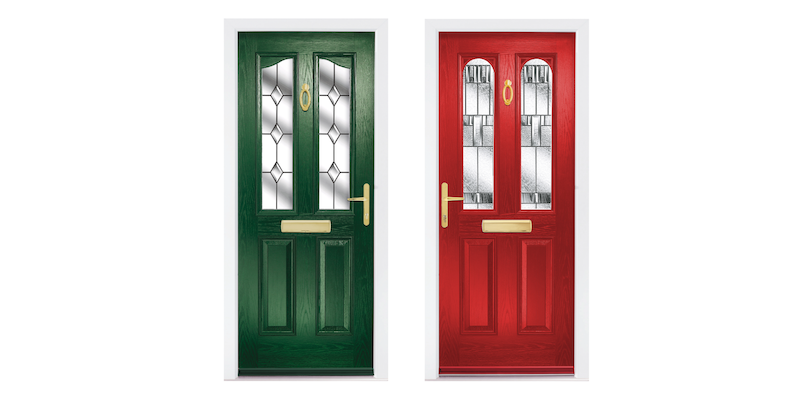
Understanding Composite Doors: The Modern Solution for Your Home
Composite doors are getting traction in the home improvement market, thanks to their blend of aesthetic appeals, resilience, and energy effectiveness. This article dives into the functions, advantages, and factors to consider related to composite doors, making it a comprehensive resource for homeowners seeking to upgrade their entranceway.
What Are Composite Doors?
Composite doors are engineered doors made from a mix of products. These usually consist of:
- PVC (Polyvinyl Chloride): Provides a strong base and contributes to the door's insulating residential or commercial properties.
- Composite materials: Usually consist of wood, glass-reinforced plastic (GRP), and other products, using a strong structure that simulates the look of wood without the maintenance issues.
- Insulation core: Typically made from foam or other insulating products that enhance the energy efficiency of the door.
Why Choose Composite Doors?
Composite doors stick out amongst traditional wood or metal doors for numerous compelling factors. Here are numerous essential advantages:
- Durability:Composite doors are developed to withstand extreme weather, including heavy rain, snow, and strong winds. Unlike wood doors, they do not warp, swell, or crack gradually.
- Security:These doors are normally built with multi-point locking systems, making them far more difficult to get into compared to basic doors. The robust products used in their building include an additional layer of security.
- Energy Efficiency:With their insulated core, composite doors master maintaining heat within your home. This energy effectiveness can lead to lower heating bills, making them an economically sound option in the long run.
- Low Maintenance:Unlike standard wooden doors that require routine painting or staining, composite doors are easy to tidy and typically need extremely little maintenance. Simply wipe down the surface with a moist cloth to keep them looking new.
- Visual Appeal:Composite doors come in a variety of styles, colors, and surfaces. They can be made to replicate the look of standard lumber doors while remaining structurally remarkable, using adaptability in design to fit any home.
- Environmental Friendliness:Many makers use recycled materials in the building and construction of composite doors. This makes them a more sustainable alternative compared to conventional wooden doors, which add to deforestation.
Elements to Consider When Choosing Composite Doors
Before investing in composite doors, it's necessary to consider numerous aspects that influence their efficiency, appearance, and expense:
- Quality and Certification:Look for doors that have been certified by recognized organizations for quality and security standards. This ensures that you're acquiring a product that meets industry criteria for durability and security.
- Design and style:Consider the architectural design of your home before selecting a design. Repair My Windows And Doors are available in numerous styles, consisting of contemporary, conventional, and even custom alternatives customized to your specifications.
- Energy Ratings:Like appliances, doors also include energy scores. Inspect for the energy effectiveness ranking label to guarantee you are making a sensible investment that adds to decrease energy costs.
- Installation:Proper setup is essential to the performance of your composite door. It is highly recommended to utilize professional installers to ensure that the door fits completely and operates efficiently.
- Guarantee:Most composite door producers provide guarantees, guaranteeing that your financial investment is safeguarded. Ensure to check out the small print and understand what is covered under the warranty.
- Expense:Composite doors typically vary from mid to high cost points. While they may be more pricey than standard wood doors, the long-term cost savings in maintenance and energy performance can offset this initial expense.
Frequently Asked Questions (FAQs)
1. How long do composite doors last?Composite doors
are designed to last for several years, typically with a life-span of 30 years or more when appropriately preserved. 2. Are composite doors suitable
for seaside areas?Yes, composite doors are extremely resistant to weather and corrosion, making them an exceptional option for coastal places. 3. Can composite doors improve home security?Absolutely. Composite doors are tough and equipped with secure locking systems, vastly enhancing the security of your home
. 4. Do composite doors require painting?No, among the significant benefits of composite doors is their low maintenance requirements.
They generally only require to be wiped down to stay tidy. 5.
Are there color options for composite doors?Yes, composite doors come in different colors and finishes, enabling property owners to pick a style that complements their home's exterior. Conclusion: A Smart Investment
for Modern Homes Composite doors represent a modern option for property owners who prioritize security, durability, and energy effectiveness while also seeking visual appeal. Their combination of sophisticated engineering and design adaptability makes them an attractive alternative for any home. By thinking about the factors outlined in this post and weighing the associated benefits, potential buyers can make informed choices that add to enhanced home worth and convenience. With their durability and low maintenance, composite doors are not just a purchase; they are a financial investment in the future.